
The world’s waterfronts are undergoing incredible transformations, from no-go industrial sites to revitalized centers of urban lifestyle and community living. Increasingly, the centerpiece of that renaissance… is a landmark, architectural marvel music hall.
Often labeled ‘opera houses,’ these venues are the opposite of stuffy, formal halls that host exclusively traditional performances. Sitting directly on the water, these new icons of modern culture embrace the ebb and flow of the waves they overlook: relaxed and connected to the city around them. Ferries arrive nearby. Locals keep waterfront promenades bustling. Visitors come for the architecture as much as the performances that embrace modern, accessible and widely-interpreted versions of anything and everything musical.
And make the most of exceptional technology and acoustics.
These four venues have become defining landmarks not only because of what happens inside, but because of where they are built.
Sydney: The Harbor Landmark That Started it All
Few buildings are more recognizable worldwide than the Sydney Opera House. Its sail-like roofline rising above Sydney Harbour has become one of the defining images of Australia.
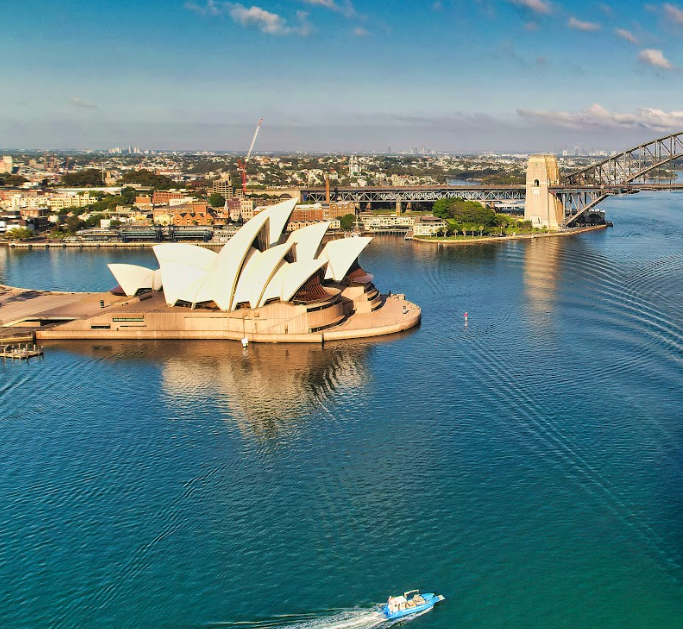
Since its opening in 1973, it has become one of the world’s busiest performing arts venues, hosting opera, symphony concerts, theater, comedy, and contemporary music.
Sitting beside the Sydney Harbour Bridge, the opera house is woven into the daily rhythm of the harbor. Travelers can arrive by ferry, walk the waterfront before a performance, or simply enjoy the outdoor restaurants overlooking the water.
Architectural tours are hugely popular, and many visitors experience the building without attending a formal performance at all. Projections on the exterior reflect cultural touchpoints, from Olympics, to indigenous culture, to ecofriendly themes.
Oslo: An Opera House for the People
The Oslo Opera House helped transform Oslo’s waterfront when it opened in 2008.
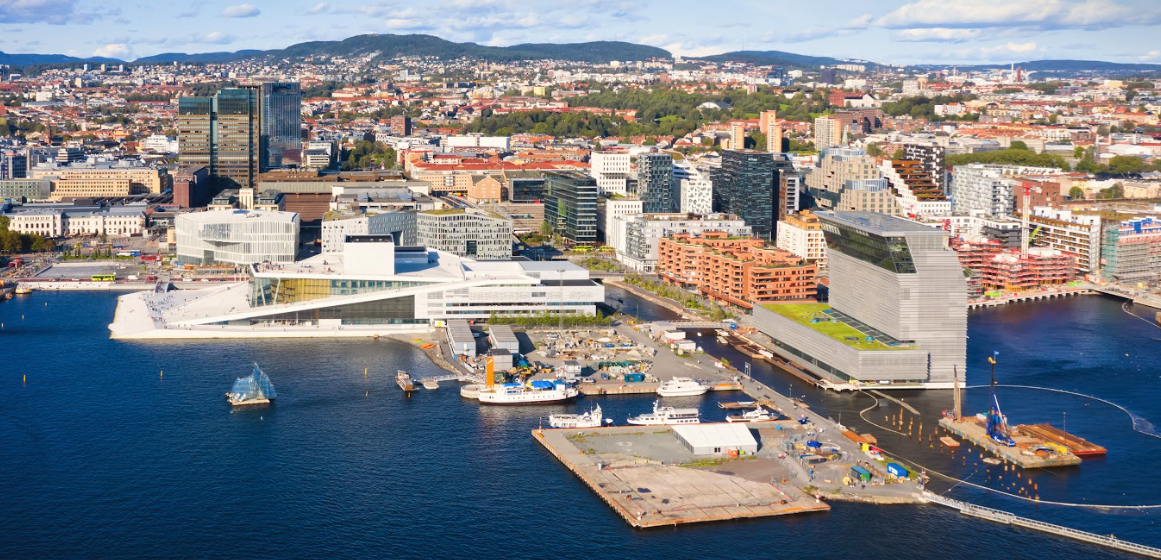
Built directly on the edge of the Oslofjord, the white marble structure appears to rise from the water. Its most unusual feature is the roof, which slopes to ground level so visitors can walk all over it.
That decision changed how people interact with the building. Locals use it as a public gathering place as much as a cultural venue. In summer, people picnic there and watch the sunset over the fjord. In winter, the stark white architecture stands out dramatically against dark Nordic skies.
Inside, the opera house is home to the Norwegian National Opera and Ballet. The warm wood interiors create a striking contrast with the minimalist exterior.
The building also reflects modern Oslo itself — a city where outdoor life and contemporary culture live side by side. Visitors can spend the afternoon kayaking or using the city’s floating saunas before attending an evening ballet or concert.
Hamburg: A Concert Hall Above the Port
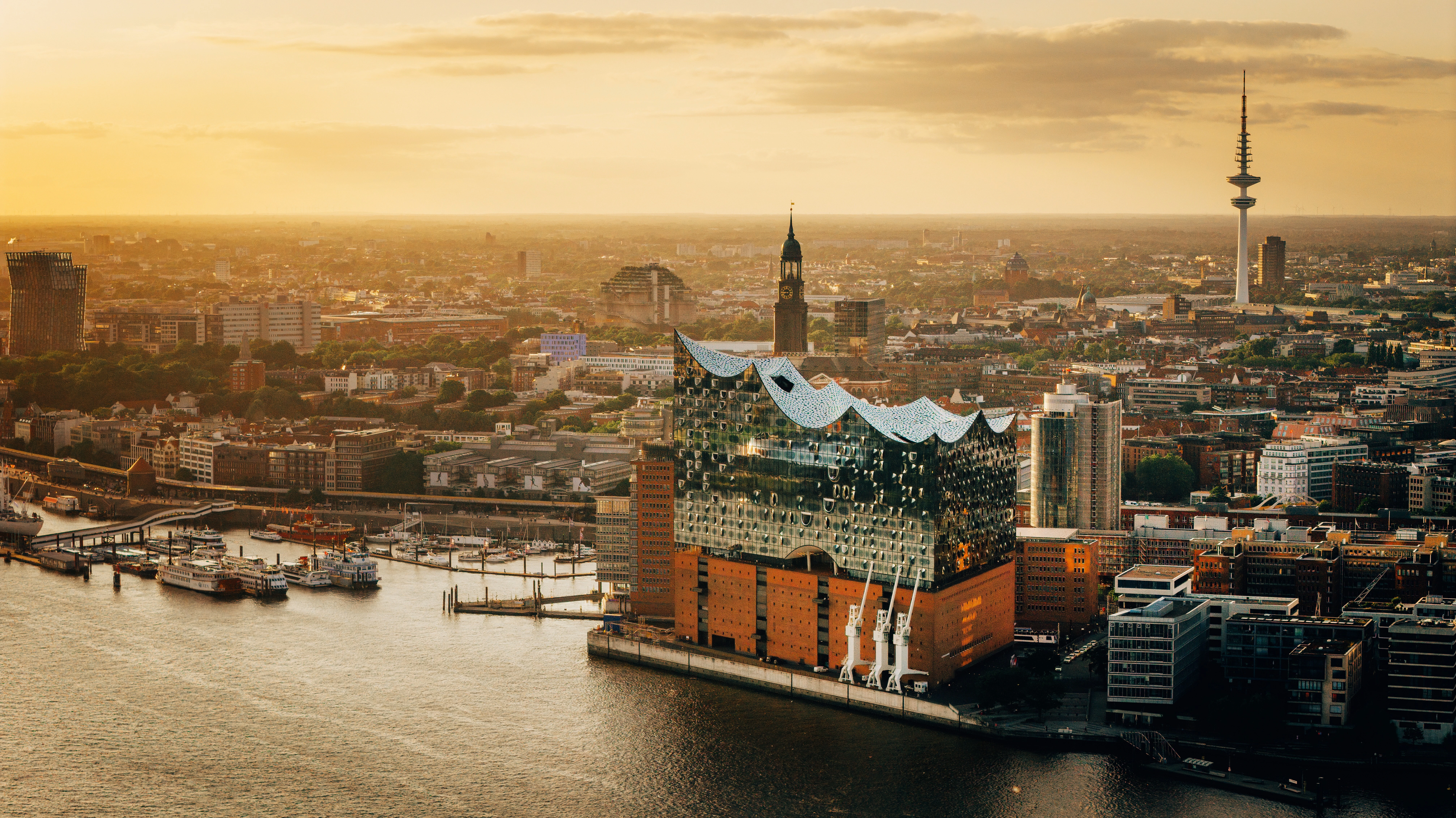
The Elbphilharmonie Hamburg quickly became Hamburg’s modern symbol when it debuted in 2017. (pictured, top)
Built above a historic brick warehouse in the city’s harbor district, the glass structure resembles waves rising over the River Elbe, transforming the city’s waterfront.
The venue is known for exceptional acoustics, with seating designed to bring audiences unusually close to performers. Programming extends beyond classical music to jazz, contemporary concerts, and international productions.
Even visitors without tickets often head to the public Plaza observation level for panoramic views across Hamburg’s port, bridges, and canals. Unlike many grand concert halls, the Elbphilharmonie feels connected to the working harbor around it rather than separated from it.
Reykjavik: Music on the Edge of the Arctic
The Harpa Concert Hall opened in 2011 on Reykjavik’s waterfront and quickly became one of Iceland’s defining modern buildings.
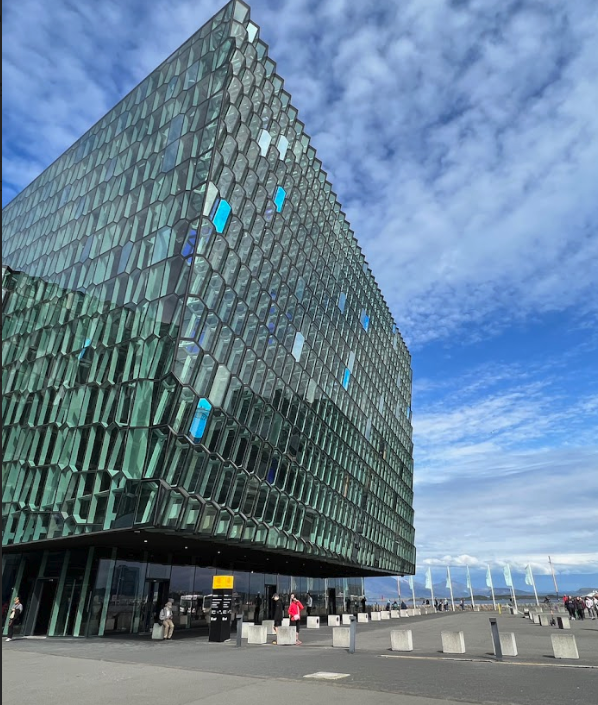
Its geometric glass exterior was inspired by Iceland’s volcanic basalt formations and changing northern light. Depending on the weather and season, the building shifts dramatically in color and mood. The image of Harpa will remain one of your lingering memories of Iceland’s capital.
Harpa is home to the Iceland Symphony Orchestra, but its programming reflects Iceland’s broader music culture as well, hosting everything from classical concerts to electronic and indie music festivals.
The location gives the venue much of its character. Fishing boats and whale-watching tours still depart from the nearby harbor, while mountains and ocean frame the city in every direction. In winter, concertgoers can leave an evening performance to freezing sea air and, if conditions cooperate, the possibility of the Northern Lights overhead.
‘Wave’ of the Future
More major cities are using waterfront concert halls and opera houses as cultural anchors for redeveloped harbor districts. Keep your eyes on the horizon for these:
Korea:
The Busan Opera House is designed by the same architects behind Oslo’s opera house. It’s rising directly on Busan’s waterfront and is scheduled to open in 2027. Like Oslo, it’s designed as a public waterfront space as much as a performance venue, with a walkable roof and harbor views. It will be Busan’s first major opera house and part of a huge redevelopment of the city’s former industrial port area.
Spain:
Another ambitious project is the planned Palacio de la Opera on the Costa del Sol waterfront, set to begin construction soon. Málaga has spent the last two decades reinventing itself as a serious cultural destination — adding museums, galleries, and performance venues beyond its traditional beach-tourism image. The proposed opera house sits near the port and includes a large waterfront auditorium and cultural complex.
China:
Shenzhen has proposed an enormous new waterfront opera complex overlooking Shenzhen Bay, designed by architect Jean Nouvel. Plans include multiple performance halls and architecture explicitly inspired by the movement of water and sails. Once completed, it will be one of the world’s largest waterfront performing arts complexes.
A new generation of modern waterfront concert halls increasingly behaves more like public squares with every kind of music under the sun inside, rather than traditional elite cultural institutions.
START YOUR TRIP!
Top images: Getty
Bottom image: Lynn Elmhirst, travel journalist and expert
All rights reserved. You are welcome to share this material from this page, but it may not be copied, re-published, broadcast, rewritten or redistributed.
Where do you want to go?